


7 Brake Pad Warning Signs You Should Never Ignore
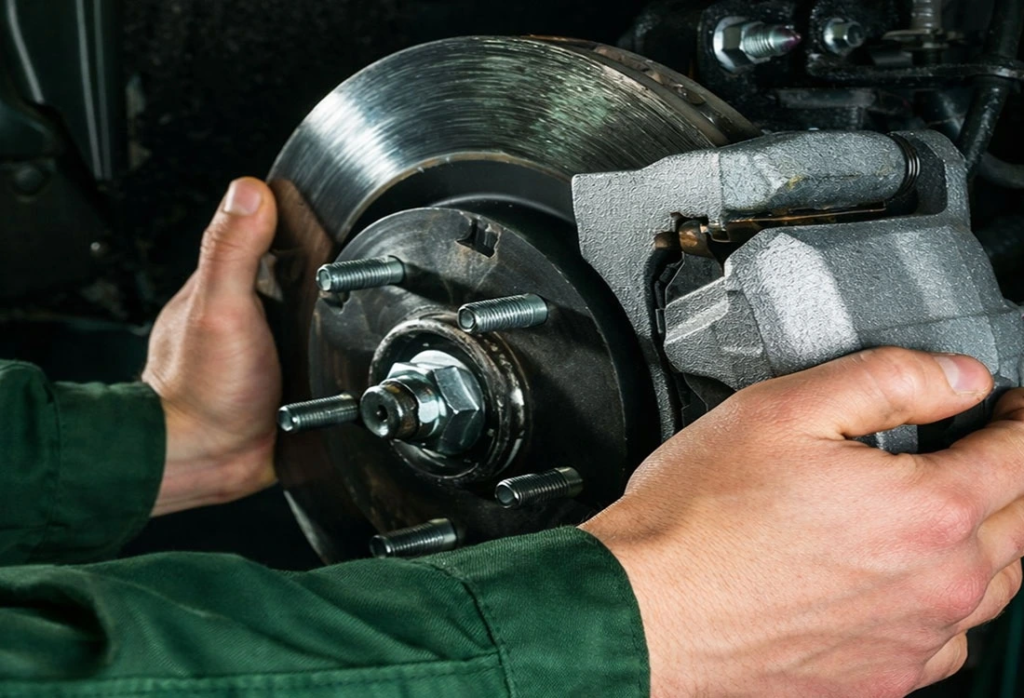
A few years ago, a faint screech from my front wheels almost blended into everyday driving noise—until one sudden stop made it impossible to ignore. Brake problems rarely start with drama. They begin quietly, through subtle brake pad warning signs that many drivers dismiss. Recognizing those early signals saves money, protects critical brake components, and most importantly keeps you safe on the road.
This guide walks you through seven clear warning signs your brake pads need replacing. Whether you drive daily, manage a fleet, or work in a workshop, these signs help you act early—before a small issue turns into a serious safety risk.
1. Squealing or Screeching Noises When Braking
High-pitched noises during braking often signal worn brake pads and rank among the most common brake pad warning signs. Many pads include wear indicators designed to squeal once friction material thins. This sound serves as an early alert rather than a defect.
If the noise persists, inspection should happen immediately. Ignoring these brake pad warning signs often leads to faster wear and additional brake system damage.
2. Grinding Sounds That Signal Severe Brake Pad Warning Signs
Grinding indicates a more advanced problem. At this stage, the friction material has likely worn away completely. The backing plate now contacts the rotor directly.
Continuing to drive risks severe rotor damage. Replacing brake pads early prevents costly repairs and protects overall braking performance.
3. Reduced Braking Response or Longer Stopping Distance
When braking feels less responsive, worn pads often sit at the root. As friction material thins, stopping distances increase. This delay becomes especially dangerous in traffic or emergency situations.
High-quality brake pads deliver consistent bite throughout their service life. Any noticeable drop in performance deserves immediate attention.
4. Soft or Spongy Brake Pedal as Brake Pad Warning Signs
A soft pedal often points to uneven or excessively worn pads. This sensation forces drivers to press harder to achieve the same stopping power.
Technicians frequently trace this issue back to poor pad condition rather than hydraulic faults. Early pad replacement restores confident pedal feel.
5. Vibration or Pulsation During Braking
Steering wheel vibration or pedal pulsation often links to uneven pad wear. Worn pads transfer heat unevenly to the rotor, which leads to warping over time.
High-quality brake pads distribute pressure evenly. Addressing vibration early prevents rotor damage and maintains smooth braking.
6. Warning Light on the Dashboard
Some modern vehicles include electronic brake pad wear sensors. Once triggered, a dashboard warning light appears.
This alert should never be ignored. Even if braking still feels normal, pad thickness may already sit below safe limits.
7. Visible Pad Wear During Inspection
Visual checks remain one of the simplest diagnostics. If the friction material measures less than a few millimeters, replacement becomes necessary.
Workshops often recommend inspection during routine servicing. High-quality brake pads still require replacement once they reach wear limits.
Why Recognizing Brake Pad Warning Signs Early Matters
Delaying replacement impacts more than stopping power. Many drivers overlook early brake pad warning signs and continue driving until damage spreads to rotors and calipers. Worn pads increase heat, strain braking components, and raise overall repair costs.
Responding early to brake pad warning signs protects the entire braking system. Timely replacement improves safety, preserves performance, and reduces long-term expenses.
How Zeppard Brake Pads Support Safer Driving
Zeppard engineers brake pads to wear evenly and predictably. This consistency makes warning signs easier to detect. Drivers and technicians gain clarity instead of uncertainty.
By choosing high-quality brake pads from Zeppard, you invest in reliability, quieter operation, and dependable braking performance.
Conclusion: Listen to Your Brakes Before They Fail
Brake pads rarely fail without warning. Squeals, vibrations, and changes in pedal feel all provide valuable signals. Acting early protects your vehicle and everyone inside it.
If any of these warning signs appear, inspection should happen immediately. Zeppard high-quality brake pads deliver consistent performance that helps drivers stay ahead of problems—not react to them.
