


What Makes A High-quality Brake Pad? Inside Zeppard’s Manufacturing Standards
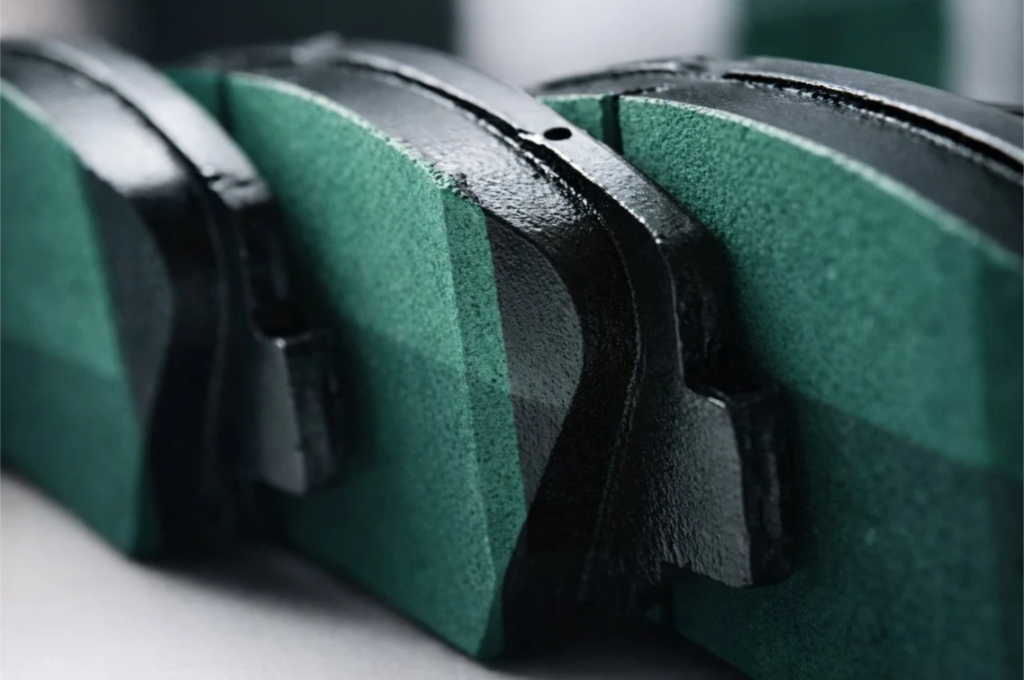
I still remember the first time I held a worn-out brake pad that came off a customer’s car after only a few months of use. It looked fine on the outside, yet it failed where it mattered most. That experience taught me a simple truth: high-quality brake pads never happen by accident. They result from deliberate engineering, strict standards, and a refusal to cut corners.
For car owners, technicians, and suppliers, brake pads sit at the center of safety and trust. You rely on them every time you slow down at a junction or stop short in traffic. This article breaks down what truly defines high-quality brake pads and explains how Zeppard builds that quality into every stage of its manufacturing process.
Why High-Quality Brake Pads Matter More Than You Think
Brake pads do far more than create friction. They protect lives, preserve braking systems, and influence how confident a driver feels behind the wheel. When brake pads fail, the consequences escalate quickly.
Low-grade pads often wear unevenly, generate excessive dust, or lose stopping power under heat. In contrast, high-quality brake pads maintain consistent performance in city traffic, highways, and emergency braking situations. Zeppard treats this responsibility seriously because safety never allows shortcuts.
The Foundation: Raw Materials Define Brake Pad Performance
Choosing Friction Materials That Perform Under Pressure
Every brake pad starts with raw materials, and this stage determines everything that follows. Zeppard selects friction compounds that balance stopping power, durability, and noise control. Engineers test these compounds under repeated stress before approval.
Cheaper pads rely on fillers that reduce cost but weaken performance. Zeppard avoids that approach because consistency matters more than margins. High-quality brake pads depend on materials that behave predictably under heat and load.
Steel Backing Plates That Stay Rigid and Stable
The backing plate anchors the entire brake pad assembly. Weak steel bends under pressure and causes vibration or uneven wear. Zeppard uses reinforced steel plates with precise thickness control.
This rigidity ensures proper contact with the caliper and rotor. As a result, braking feels firm and controlled instead of spongy or noisy.
Precision Engineering: Design Shapes Real-World Braking
Slotting and Chamfering for Noise and Heat Control
Design details separate average brake pads from exceptional ones. Zeppard engineers chamfers and slots into each pad to reduce vibration and manage heat buildup. These features also help gases escape during heavy braking.
Many drivers never notice these details, yet they feel the difference instantly. Quiet stops and smooth pedal feedback reflect smart engineering choices.
Exact Fitment for Consistent Contact
Poor fitment causes uneven pressure and premature wear. Zeppard designs each brake pad to match specific vehicle platforms. Engineers verify dimensions using precision tooling.
This attention to fitment reduces installation issues for technicians. It also protects rotors and calipers over long service intervals.
Manufacturing Discipline: Where Quality Gets Locked In
Controlled Production Processes
Zeppard runs tightly controlled production lines. Each step follows documented procedures that technicians verify daily. This structure prevents variations that compromise performance.
Some factories rush production to meet volume targets. Zeppard focuses on repeatability instead. High-quality brake pads require patience and discipline.
Heat Treatment and Curing Done Right
Curing transforms raw materials into a stable friction surface. Improper curing leads to glazing or early fade. Zeppard applies controlled heat cycles that stabilize compounds fully.
This process improves braking consistency from the first stop to the last. Drivers feel confident because performance does not change unpredictably.
Quality Control That Goes Beyond Visual Checks
Testing Under Realistic Conditions
Visual inspections only tell part of the story. Zeppard tests brake pads under simulated driving conditions that replicate heat, pressure, and repeated stops. These tests expose weaknesses early.
Engineers review data instead of relying on assumptions. This approach ensures every batch meets strict performance benchmarks.
Noise, Vibration, and Harshness Evaluation
Drivers complain about squealing brakes more than almost anything else. Zeppard evaluates noise and vibration during testing to eliminate common issues.
Technicians appreciate this focus because it reduces comebacks and customer complaints. Quiet braking builds trust quickly.
Durability That Protects the Entire Brake System
Even Wear Means Longer Service Life
High-quality brake pads wear evenly across the surface. Uneven wear damages rotors and stresses calipers. Zeppard designs pads that distribute pressure consistently.
This balance extends service intervals and lowers maintenance costs. Car owners notice fewer surprises during routine inspections.
Heat Resistance That Prevents Brake Fade
Repeated braking generates intense heat. Low-grade pads lose friction as temperatures rise. Zeppard compounds resist fade even under heavy use.
Drivers feel steady pedal response instead of sudden loss of stopping power. That stability matters most during emergencies.
Real-World Perspective: What Technicians Notice First
I once spoke with a technician who switched an entire workshop to Zeppard brake pads after months of frustration with cheaper brands. He mentioned fewer noise complaints and more predictable wear patterns.
Technicians value products that make their work easier. High-quality brake pads save time, protect reputations, and reduce warranty claims. Zeppard listens closely to this feedback.
Compliance With Global Standards and Certifications
Meeting International Safety Benchmarks
Brake pads operate under strict regulations in many regions. Zeppard aligns manufacturing with recognized international standards. These benchmarks verify safety and consistency.
Compliance protects distributors and workshops from legal risks. It also reassures drivers that performance meets global expectations.
Continuous Improvement Through Audits
Zeppard treats audits as opportunities rather than obstacles. Internal and external reviews highlight areas for improvement. Engineers respond quickly to findings.
This mindset keeps quality evolving instead of stagnating.
High-Quality Brake Pads vs Low-Grade Alternatives
A Clear Comparison
| Feature | High-Quality Brake Pads (Zeppard) | Low-Grade Brake Pads |
|---|---|---|
| Braking Consistency | Stable and predictable | Inconsistent |
| Noise Control | Engineered for quiet stops | Frequent squeal |
| Heat Resistance | Strong fade resistance | Rapid performance loss |
| Wear Pattern | Even and controlled | Uneven and damaging |
This comparison highlights why upfront savings often cost more over time.
Why Suppliers and Distributors Trust Zeppard
Suppliers depend on reliability as much as drivers do. Product failures damage relationships quickly. Zeppard supports partners with consistent quality and clear technical documentation.
This reliability strengthens long-term partnerships. High-quality brake pads create repeat business instead of one-time sales.
How Car Owners Benefit Every Day
Car owners often judge brake pads by feel rather than specifications. Zeppard pads deliver firm pedal response and predictable stopping distances. That confidence changes how people drive.
Drivers stop worrying about noise or premature wear. Instead, they focus on the road ahead.
The Zeppard Philosophy: Quality Is a Process, Not a Claim
Zeppard never treats quality as a marketing slogan. Engineers build it into materials, design, manufacturing, and testing. Each step reinforces the next.
This philosophy explains why high-quality brake pads remain consistent across different markets and driving conditions.
Conclusion: Choosing Brake Pads That Earn Your Trust
High-quality brake pads protect more than vehicles; they protect lives and reputations. From raw materials to final testing, Zeppard maintains strict manufacturing standards that deliver consistent performance, durability, and safety.
If you value braking confidence and long-term reliability, choose brake pads built with intention. Zeppard invites car owners, technicians, and suppliers to experience the difference that real standards make.
